Real driver stories · UK railway careers

My Train Driver Journey

Real stories from real train drivers across the UK. Each feature shares the personal route into the railway, the recruitment process, the reality of the job and the lessons applicants can learn before applying.

The real journeys behind the job

There is no single route into train driving.

Behind every successful driver is a different story — different starting points, different challenges and different decisions along the way. Select a driver below to read their journey.
CrossCountry

Gateline to Train Driver

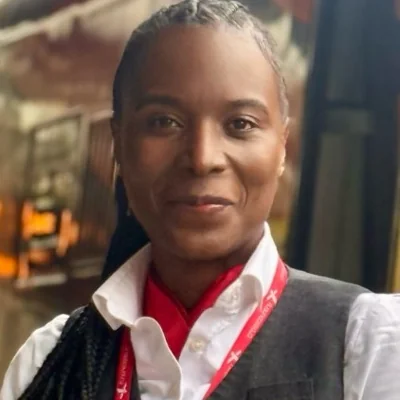
Jane joined the railway in 2002, became Southeastern's first female Shunter Driver in 2005, returned after a career break and persevered through five attempts before becoming a mainline Train Driver.

Jane — CrossCountry Train Driver

Jane

CrossCountry Train Driver

Meet the driver

Jane - resilience, responsibility and breaking barriers

Jane joined the railway in 2002, became Southeastern's first female Shunter Driver in 2005, returned after a career break and persevered through five attempts before becoming a mainline Train Driver.

“When you sit in that chair, you give it your 100% attention.”

— Jane, CrossCountry Train Driver

Starting out on the railway

Background

Question 1

Tell us about your background and how you first got into the railway.

I joined the railway in 2002, starting on the gateline. From there, I moved onto platform duties, including cleaning toilets and litter picking. I later became a Station Supervisor and then worked in the ticket office. While working in the ticket office, I saw an internal advert for a Shunter Driver. One of my colleagues dared me to apply. I could see the doubt on his face, so I thought, 'Why not?' In 2005, I became the first female Shunter Driver employed by Southeastern Trains. That experience gave me the confidence to aim higher and eventually become a Train Driver. In 2008, I left the railway to start a family. I had always wanted to become a mainline train driver, but during that gap away from the railway, I worked in the NHS, local council and care sector.

Persistence and recruitment

Getting into train driving

Question 1

What was the recruitment process like?

I kid you not, it took me five attempts before I even reached the assessment day. It was a journey that took years, and it definitely was not easy, especially as I am dyslexic. The recruitment process is incredibly rigorous because of the responsibility that comes with the role. Train Drivers are responsible for hundreds of lives every day, so the standards have to be high. It pushes you mentally and personally, but for good reason. During training, I would go home and rewrite my notes so I could better understand them. I had to work ten times harder because there was so much to take in.

Question 2

What surprised you most?

What surprised me most was just how much resilience you need. It is not only about passing assessments. It is about keeping going when things do not work out the first, second, or even fifth time. After completing my training and returning to the depot for route learning, I realised how privileged I was. My Driver Manager told me they had received over 1,000 applications for just one vacancy.

Question 3

What do people think it is like compared with what it is actually like?

People often think driving a train is just sitting in a cab pressing buttons. In reality, it is a job that demands constant concentration, sound judgement and personal discipline. The responsibility is enormous, and every decision you make matters because you are responsible for people's lives.

Responsibility, pressure and fatigue

The reality of the job

Question 1

What are the day-to-day responsibilities?

As a driver, you are responsible for the safe operation of your train and everyone on board. You are constantly monitoring signals, managing delays, dealing with unexpected incidents and ensuring passengers reach their destination safely.

Question 2

What was the hardest part after qualifying?

The first three months after I qualified were incredibly tough. I nearly quit because I had not fully appreciated the pressure that comes with being responsible for hundreds of lives. I was afraid. I had to overcome fear and anxiety. When trains fail, there are long delays, or incidents occur on board, the pressure can be immense. You need to stay calm, make the right decisions and remain focused for long periods.

Question 3

What do people not see?

Managing fatigue is a huge part of the job. As a single mother, I wear many hats, and my children deserve my attention. The shifts can be demanding, and you have to make sacrifices in your personal life to ensure you are properly rested. Sometimes that means missing time with family because safety always has to come first. People do not see the mental effort that goes into every shift. They do not see the constant concentration, the responsibility you carry, or the lifestyle changes you make to ensure you are fit to do the job safely, like missing school runs or important moments with my children.

The honest bits

Challenges

Question 1

What might people struggle with?

The level of concentration required can be exhausting. Especially when running on cautionary signals, you are constantly cancelling the DSD and AWS systems and staying alert. If you lose concentration, the consequences can be serious. You are also working under time pressure, which naturally adds another layer of stress.

Question 2

What took time to get used to?

Learning to manage the responsibility took time. The technical side can be taught, but adapting to the mental pressure comes with experience. Like every new driver, I had to learn how to manage the workload while maintaining absolute focus. The biggest lesson is understanding that safety must always come first.

Question 3

What lesson stayed with you?

My instructor once told me: 'Jane, when you sit in that chair, you give it your 100% attention.' That has stayed with me throughout my driving career.

Supporting the next generation

Becoming a mentor

Question 1

Why did you apply to become a Train Mentor?

I have applied to become a Train Mentor because I am the driver I am today thanks to the support and guidance I received from the instructors at Southeastern Trains. I would love the opportunity to pass on what I have learned and help develop the next generation of drivers, ensuring they continue to treat this profession with the respect it deserves.

Question 2

What is different about mentoring compared with driving?

Driving is about your own performance. Mentoring is about helping someone else become the best driver they can be. It is about coaching, supporting and building confidence while maintaining the highest safety standards.

Question 3

What would you look for in trainees?

I believe attitude is everything. I would look for people who are willing to learn, accept feedback, stay humble and never lose sight of the responsibility that comes with the job.

For future applicants

Advice for anyone wanting to join

Question 1

What actually matters?

What matters most is not having the perfect CV. It is your mindset. That said, you do need something that helps you stand out to be shortlisted.

Question 2

What advice would you give to applicants?

Be resilient because the recruitment process is challenging. If you do not succeed the first time, do not give up. I certainly did not. Be prepared to learn, accept constructive criticism and understand the importance of safety. Confidence is important, but overconfidence can catch people out.

Question 3

What separates those who succeed?

The people who succeed are those who stay determined, keep learning and genuinely respect the responsibility that comes with the role.

Reflection

Final thoughts

Question 1

What do you enjoy most about the job?

What I enjoy most is knowing that every day I am trusted with an incredible responsibility. I also hope to inspire my children, to show them that we are enough, and that even when the odds are against you, with faith and determination, you can succeed.

Question 2

Would you recommend the career?

It is a challenging job, but it is also one of the most rewarding careers you can have. I would absolutely recommend it, but only to people who truly understand what is involved. It is not just about driving trains. It is about protecting lives, making good decisions under pressure, and taking pride in doing an important job well, serving with grace and dignity.

Key takeaways

What aspiring drivers should learn from Jane

Resilience matters

Jane took five attempts before reaching assessment day. Her journey shows why persistence, feedback and determination matter.

The mental load is real

The technical side can be taught, but concentration, pressure, fatigue and responsibility take discipline to manage.

Safety comes first

The role is not about pressing buttons. It is about protecting lives and giving full attention every shift.

Why this matters

Understand the role before you apply.

Real experience

Hear directly from people who have been through the process and done the job.

Better preparation

Understand what recruitment is really testing before you apply.

Safety-critical mindset

Learn why responsibility, concentration and rule compliance matter so much.

Ready to follow the same path?

Prepare properly for UK train driver recruitment.

Use structured CV support, interview preparation, online assessment practice, psychometric guidance and CPD learning to go into the recruitment process properly prepared.

Career update list

Move closer to the driver’s seat.

Get train driver recruitment updates, preparation tips, application guidance and career articles to help you plan your next step.

  • Recruitment window alerts
  • Application & CV guidance
  • Assessment & interview prep
  • Unsubscribe any time

One email at a time — no spam, no shared lists. Read our privacy notice.