
Real driver stories · UK railway careers
My Train Driver Journey
Real stories from real train drivers across the UK. Each feature shares the personal route into the railway, the recruitment process, the reality of the job and the lessons applicants can learn before applying.
The real journeys behind the job
There is no single route into train driving.
Behind every successful driver is a different story — different starting points, different challenges and different decisions along the way. Select a driver below to read their journey.
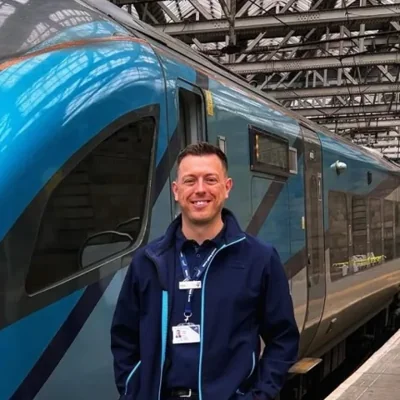
Michael
Driver Instructor & Assessor
TransPennine Express
Onboard roles to Driver Assessor
Michael began his railway career with Virgin Trains at London Euston, progressing through onboard, station, Train Manager, instructor and assessor roles before becoming a train driver, Driver Instructor and Driver Assessor.
Michael
Driver Instructor & Assessor
Meet the driver
From Onboard Caterer to Driver Instructor and Assessor
Michael began his railway career with Virgin Trains at London Euston, progressing through onboard, station, Train Manager, instructor and assessor roles before becoming a train driver, Driver Instructor and Driver Assessor.
“Treat the role with respect and the role will respect you back.”
— Michael, Driver Instructor & Assessor
Starting out on the railway
Background
Question 1
Tell us a bit about your background and how you first got into the railway.
Question 2
What were you doing before the railway, and did those experiences help you later in your career?
From Train Manager to driver
Getting into train driving
Question 1
At what point did train driving become something you wanted to pursue?
Question 2
What was the recruitment process like for you?
Question 3
Were there any parts of the process that surprised you or caught you out?
Redundancy, reflection and persistence
Setbacks and resilience
Question 1
Did you face any setbacks or failures along the way, and how did you deal with them?
Question 2
How did that self-reflection help during driver training?
Responsibility and professionalism
The reality of the job
Question 1
What do people outside the industry misunderstand most about train driving?
Question 2
What is the reality of the job compared to what people imagine?
Question 3
What does a normal working day or shift look like for you?
Concentration, routines and fatigue
Mental demands
Question 1
What are the biggest mental or psychological demands of the role?
Question 2
How important are concentration, routines and personal strategies in day-to-day driving?
Question 3
What parts of the job do passengers or the public never really see?
Shift work and responsibility
Challenges
Question 1
What has been the hardest part of the job for you personally?
Question 2
What took the longest to get used to once you became a driver?
Question 3
Have there been any important learning moments that shaped how you work today?
Developing others
Becoming an instructor and assessor
Question 1
What made you move into instructing and training?
Question 2
How different is being an instructor compared to being a driver?
Question 3
What qualities do you look for in trainees or new entrants?
Question 4
What habits or behaviours separate strong trainees from weaker ones?
Preparation and authenticity
Advice for applicants
Question 1
What are the most common mistakes applicants make during recruitment?
Question 2
What do successful candidates tend to do differently?
Looking back
Final thoughts
Question 1
Looking back now, what do you enjoy most about the railway?
Question 2
Would you recommend the career to others, and why?
Question 3
If you could give one honest piece of advice to your younger self before joining the railway, what would it be?
Key takeaways
What aspiring drivers should learn from Michael
Progression can be unexpected
Michael started in onboard customer-facing roles before progressing into operations, instructing, driving and assessing.
Self-reflection matters
From recruitment setbacks to practical handling and signaller communication, Michael shows how reflection turns development areas into strengths.
Respect the role
Train driving is highly rewarding, but it demands professionalism, concentration, humility and strict safety-critical discipline.
Why this matters
Understand the role before you apply.
Real experience
Hear directly from people who have been through the process and done the job.
Better preparation
Understand what recruitment is really testing before you apply.
Safety-critical mindset
Learn why responsibility, concentration and rule compliance matter so much.
Ready to follow the same path?
Prepare properly for UK train driver recruitment.
Use structured CV support, interview preparation, online assessment practice, psychometric guidance and CPD learning to go into the recruitment process properly prepared.