
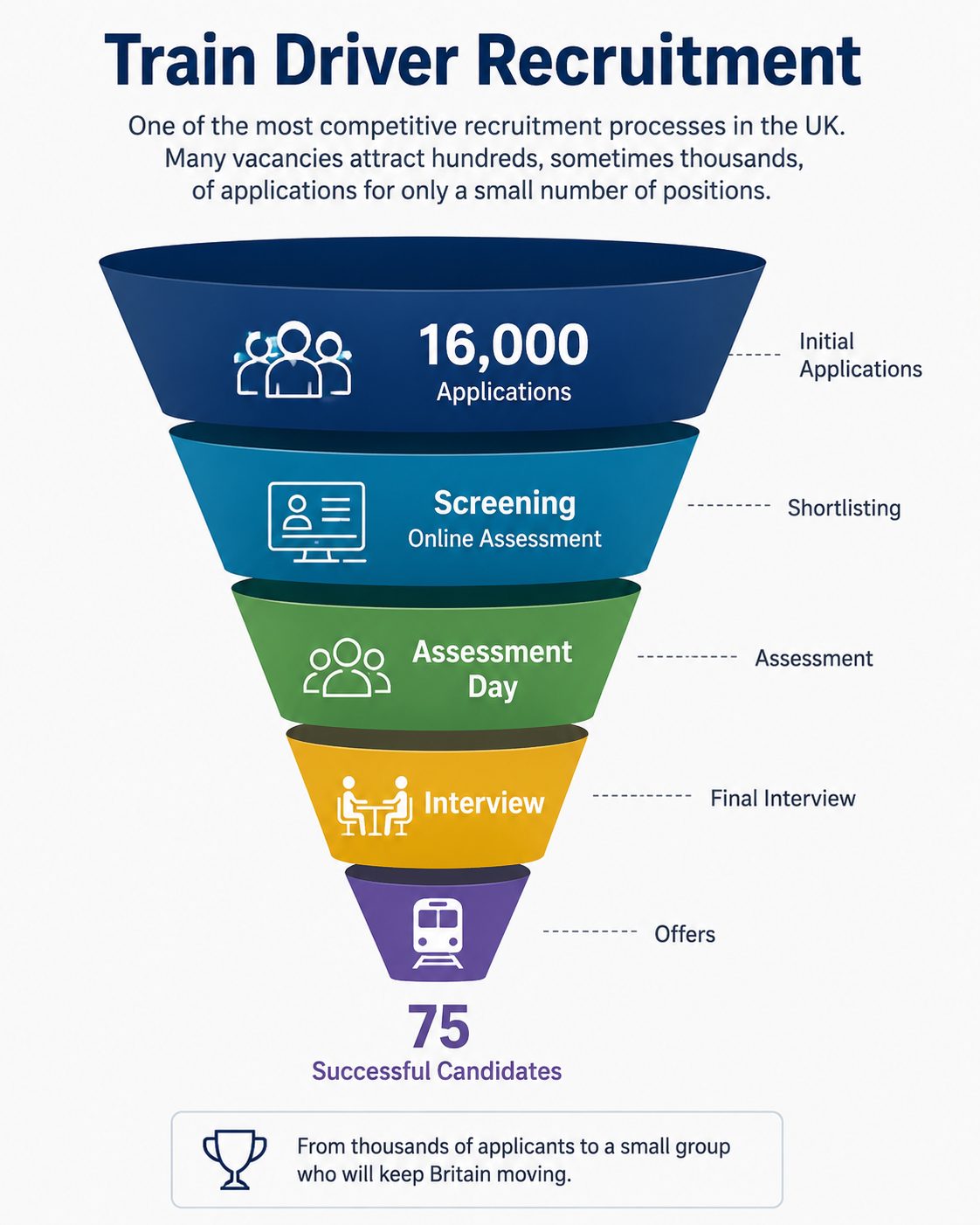


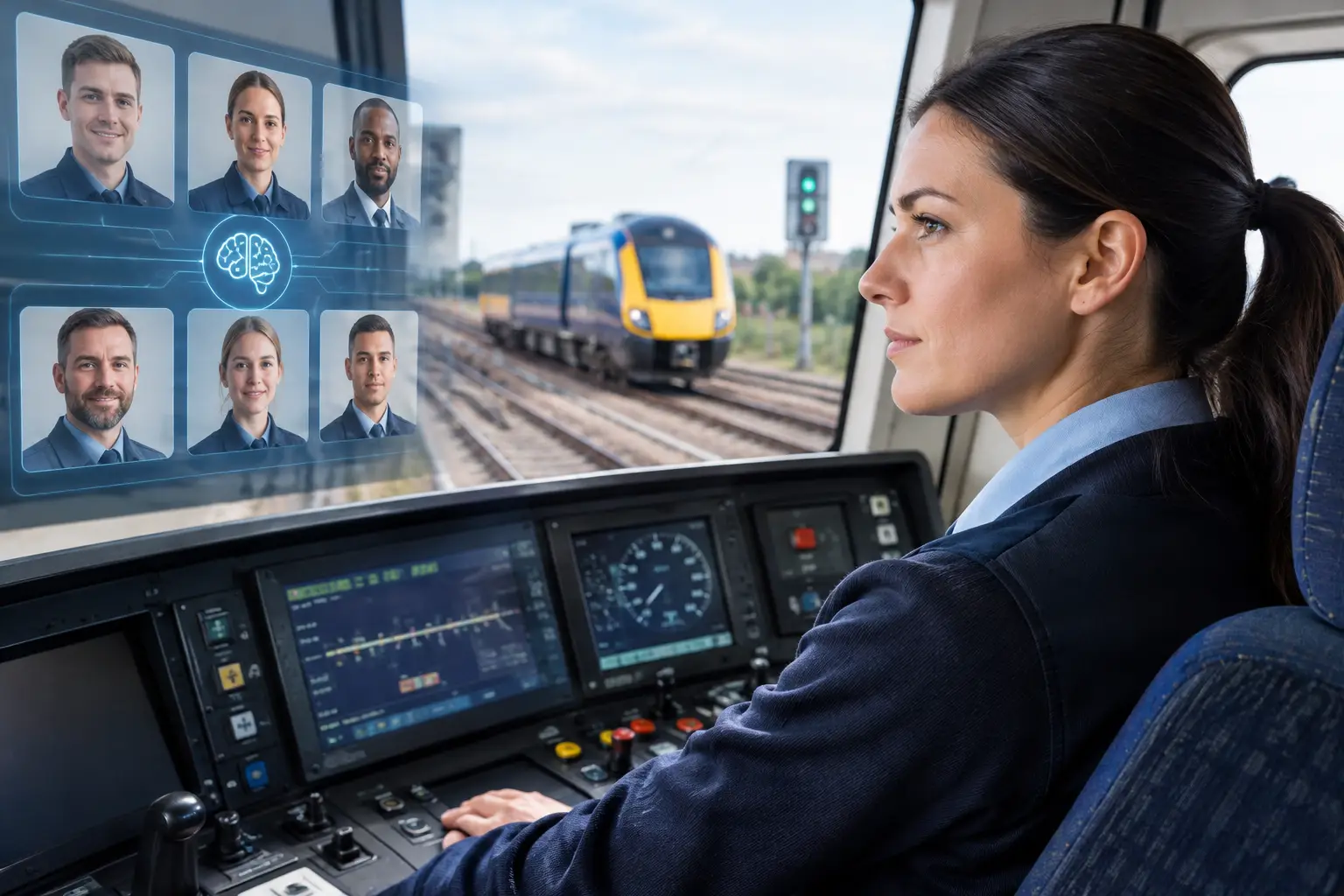
A trainee train driver vacancy can attract a high volume of applications, often from people with strong work histories but very different levels of evidence on paper. AI railway CV screening can help you check whether your CV clearly communicates the qualities a safety-critical employer needs to see before it reaches a recruiter.
It is not a substitute for meeting the requirements of a Train Operating Company (TOC), and it cannot make an unsuitable application suitable. Used properly, however, it is a practical way to spot weak wording, missing evidence and irrelevant detail before submitting an application for a highly competitive rail role.
Why railway CVs need a different standard
A general CV often focuses on job titles, duties and broad achievements. That can be enough for many roles, but train driver recruitment calls for clearer evidence of how you work. Recruiters need to understand whether your experience demonstrates reliability, concentration, procedural discipline, communication, personal responsibility and a consistent approach to safety.
This does not mean every applicant needs previous railway experience. Career changers, Armed Forces service leavers, logistics professionals, customer service staff and operational workers may all have relevant experience. The challenge is translating that experience accurately and specifically.
For example, saying that you are a “hard-working team player” gives little useful evidence. Explaining that you followed controlled procedures, completed accurate records, managed fatigue responsibly, escalated concerns and maintained focus during repetitive work gives a recruiter far more to assess. The facts must remain truthful, but the relevance needs to be visible.
AI screening tools are useful because they can review a CV at speed and flag whether that relevance is coming through. Their value lies in improving presentation and alignment, not in inventing a railway career you do not have.
What AI railway CV screening can identify
The strongest use of an AI CV checker is as an early review stage. It can assess the content against common expectations for a trainee train driver or other safety-critical railway application and draw attention to areas that need a closer human review.
Evidence of safety-critical behaviours
Safety is not a single phrase on a CV. It is demonstrated through repeated behaviours: following rules, identifying risk, responding calmly to problems, reporting concerns, checking work and knowing when to seek guidance.
AI railway CV screening can identify whether your CV includes meaningful examples of these behaviours or relies on unsupported claims. A candidate who has worked in warehousing, aviation, engineering, the emergency services or the military may already have valuable evidence. The key is to describe the responsibility clearly without overstating your role or sharing sensitive information.
A good CV might explain that you completed pre-task checks, worked to defined instructions, maintained accurate documentation and raised issues through the correct route. These are transferable indicators of operational discipline.
Relevance to the role you are applying for
A CV should not read like a full record of every task you have carried out. It should help a recruiter quickly see the experiences that matter for the role. AI can flag when the document is too generic, too heavily focused on unrelated duties or missing the terminology that helps explain relevant transferable skills.
That does not mean copying a vacancy advert word for word. Overloading a CV with keywords can make it sound unnatural and may raise questions if the detail is not supported by your actual experience. The better approach is to use plain, professional language and connect it to real examples.
For a trainee train driver application, relevant themes may include working independently, adhering to procedures, remaining attentive over sustained periods, making measured decisions, communicating clearly and managing customer or operational pressures appropriately.
Clarity, structure and readability
A recruiter should not have to search for your key experience. A clear CV uses a logical order, consistent formatting and concise descriptions. AI tools can highlight lengthy sections, repeated statements, unclear dates, inconsistent job titles and language that is vague or overly informal.
This matters because a well-structured document suggests care and professionalism. It also makes it easier for the reader to identify your employment history, qualifications and evidence of responsibility. A CV does not need decorative design. For railway recruitment, clarity is generally more valuable than visual flair.
Gaps, inconsistencies and unsupported claims
Employment gaps are not automatically a problem. Many candidates have taken time out for caring responsibilities, study, redundancy, illness, travel or career transition. What matters is that dates are accurate and the CV does not create unnecessary uncertainty.
AI can help identify chronology issues, overlapping employment dates or claims that need greater context. You should then resolve these honestly. Do not try to conceal a gap with vague dates or embellish responsibilities to make a role appear more relevant. Recruitment for safety-critical work depends on trust, and accuracy begins with the application itself.
What an AI review cannot decide
An AI tool cannot determine whether you are eligible for a specific vacancy, whether you will meet a TOC’s assessment standard or whether you are ready for the realities of train driving. It cannot observe how you communicate in a structured interview, assess your approach to feedback or judge how you perform in psychometric tests.
It also cannot fully understand context. A phrase that looks ordinary in isolation may represent significant responsibility in your previous role. Equally, a CV can contain the right terms while offering little genuine evidence. That is why an AI review should be followed by careful personal checking, and where possible, specialist feedback.
There is also a privacy consideration. Before uploading a CV to any digital tool, consider what personal information it requests, how it is stored and whether you need to include sensitive details at that stage. Your CV needs contact information, but it does not need excessive personal data.
How to use an AI CV check properly
Start with a truthful CV that reflects your actual employment history. Include your contact details, employment dates, qualifications and concise descriptions of your responsibilities. Then focus on examples that show how you worked, not simply what your job title was.
Use the AI feedback to ask practical questions. Is it obvious that you can follow procedures? Have you shown evidence of independent responsibility? Does your employment history read clearly? Are your strongest transferable skills buried under irrelevant detail? These questions improve the document without turning it into a collection of empty phrases.
After making changes, read the CV aloud or ask a trusted person to review it. If a sentence sounds exaggerated, unclear or unlike something you would naturally say in an interview, revise it. Your written application and interview answers should tell the same professional story.
A specialist rail-focused review can add further value because it considers the context of train driver recruitment rather than generic employability advice. Train Driver Foundation’s AI CV checking approach is designed to help candidates assess whether their experience is being presented in a way that reflects the standards and behaviours expected in safety-critical rail roles.
Build a CV that supports the next stage
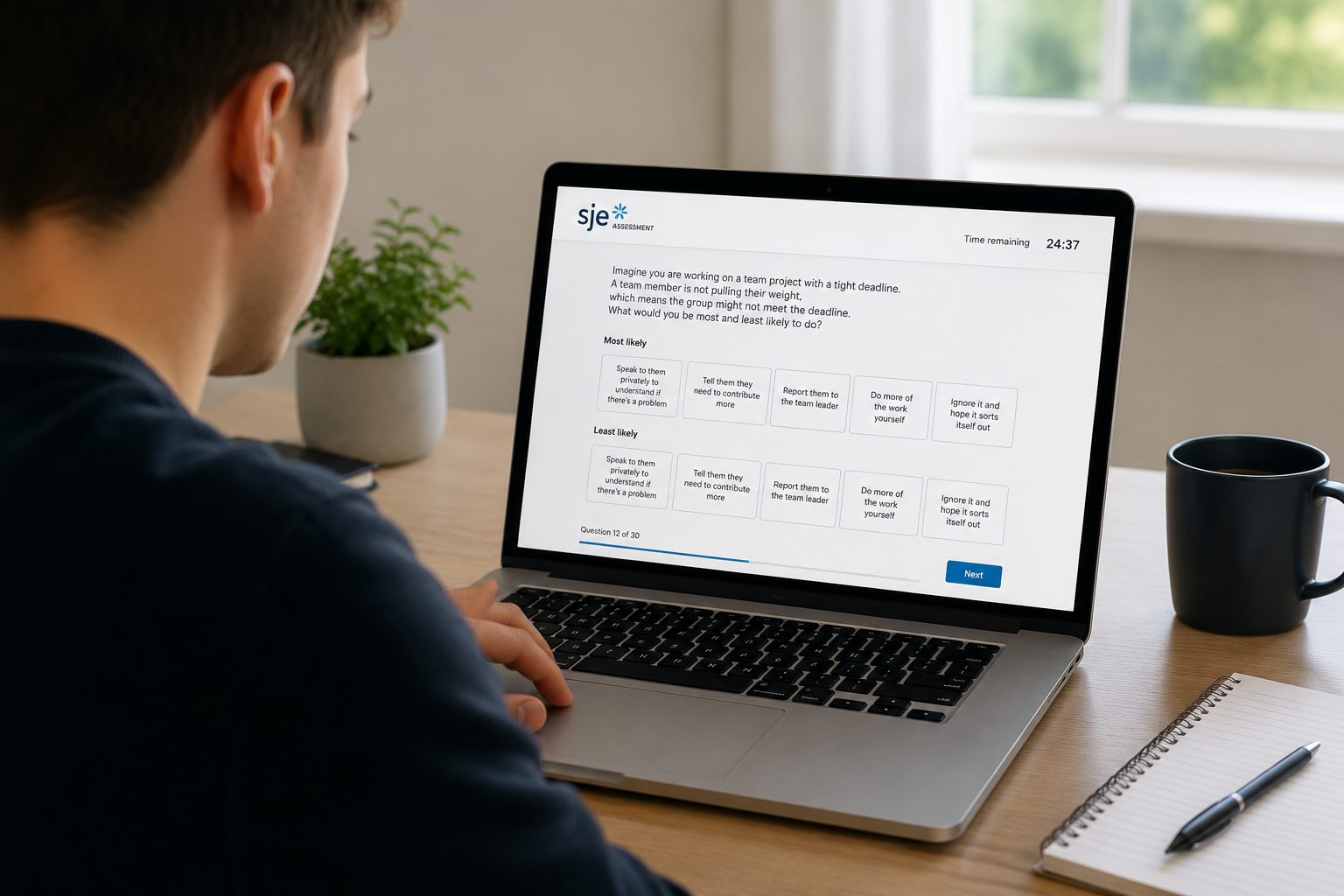
Your CV is only one part of the recruitment process, but it sets the tone for everything that follows. A clear application can help you approach online assessments, psychometric tests and structured interviews with a better understanding of the evidence you have already presented.
Avoid treating AI as a shortcut. Treat it as a checking tool: one that helps you organise your experience, identify gaps in your explanation and submit a more focused application. The strongest railway CVs are not written to impress with buzzwords. They are written to show care, consistency and credible readiness for a demanding safety-critical career.