

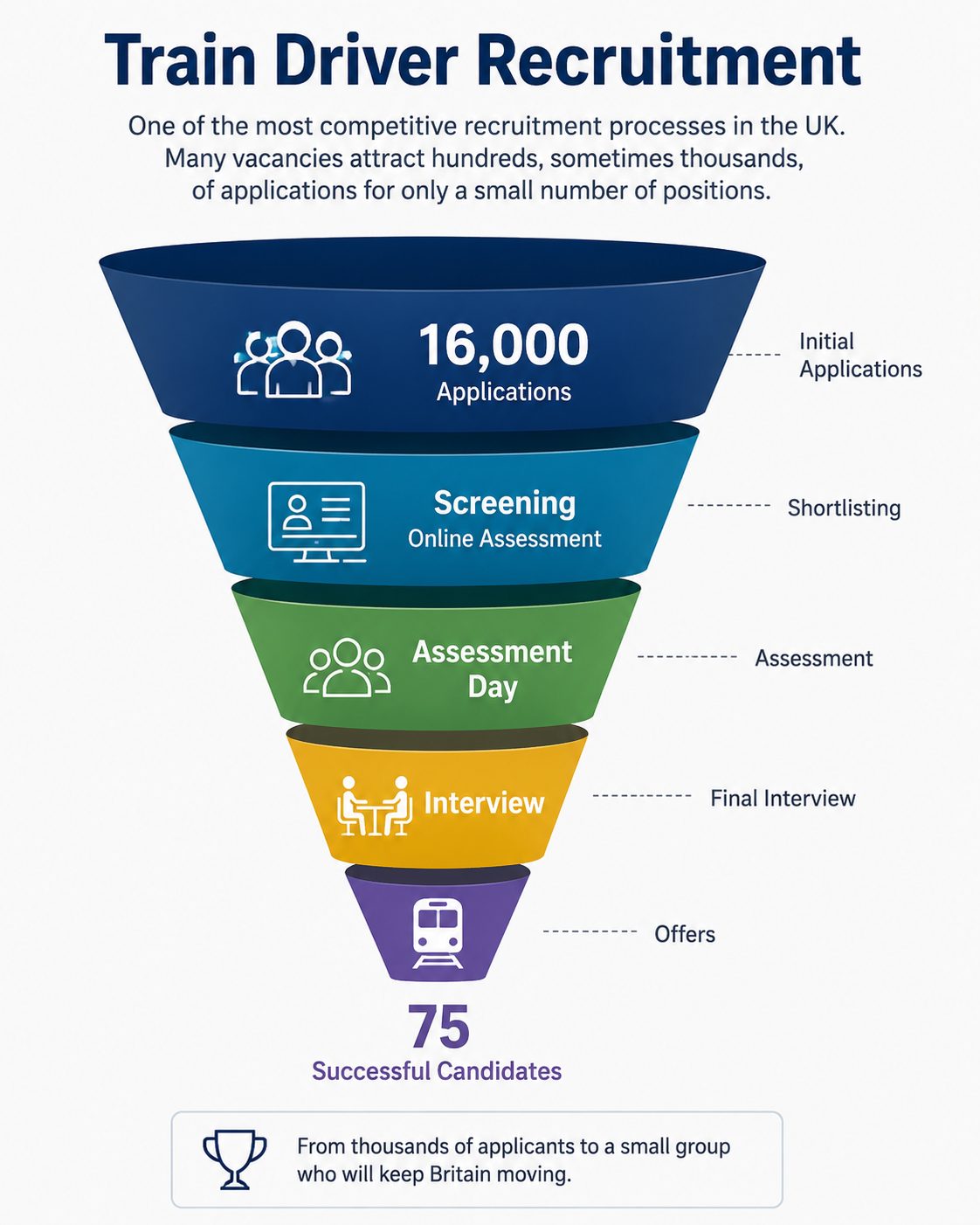


If you are serious about a trainee driver application, using the best train driver practice resources is less about finding the most material and more about choosing the right material at the right stage. Many applicants lose time on generic interview guides, broad aptitude apps and forum advice that do not reflect the standards of a safety-critical rail role. The result is effort without useful progression.
A better approach is to build preparation around the actual demands of train driver recruitment. That means role-specific psychometric practice, structured interview preparation, eligibility checks, CV improvement and a working understanding of the operational behaviours employers look for. Good resources should make you more accurate, more reflective and more consistent - not simply busier.
What makes the best train driver practice resources useful
The strongest resources do three things well. First, they stay close to the realities of train driver selection rather than general job seeking. Second, they help you improve performance through repetition, feedback and structure. Third, they develop judgement as well as confidence.
That last point matters more than many candidates expect. Recruiters are not looking for polished enthusiasm alone. They are assessing concentration, rule adherence, communication, operational discipline and how you think about responsibility. A resource that helps you practise those standards is far more valuable than one that just makes you feel motivated for an evening.
There is also a trade-off to keep in mind. Free resources can be useful for orientation, but they are often too broad to prepare you properly for a highly competitive process. Paid resources are not automatically better, yet focused material usually gives you clearer alignment with the role and a more efficient preparation path.
Best train driver practice resources by stage
Early-stage resources: eligibility, role fit and CV preparation
Before you think about tests or interviews, you need to know whether your application is presenting the right evidence. This is where early-stage resources matter most. A clear eligibility checklist can save weeks of wasted effort if you have misunderstood residency, location, work history or application requirements. It also helps you judge whether now is the right time to apply or whether you need stronger evidence first.
CV support is often underestimated. In train driver recruitment, a CV is not there to sound impressive in a general sense. It needs to show consistency, responsibility, rule-based working, attention to detail, punctuality, customer awareness where relevant, and evidence of safe operational behaviour. The best CV resources for this sector are those that push you to translate your experience into credible, role-relevant examples instead of broad claims.
This is especially important for career changers and Armed Forces leavers. You may already have exactly the kind of disciplined experience employers value, but unless you frame it correctly, it can be missed.
Psychometric test practice resources
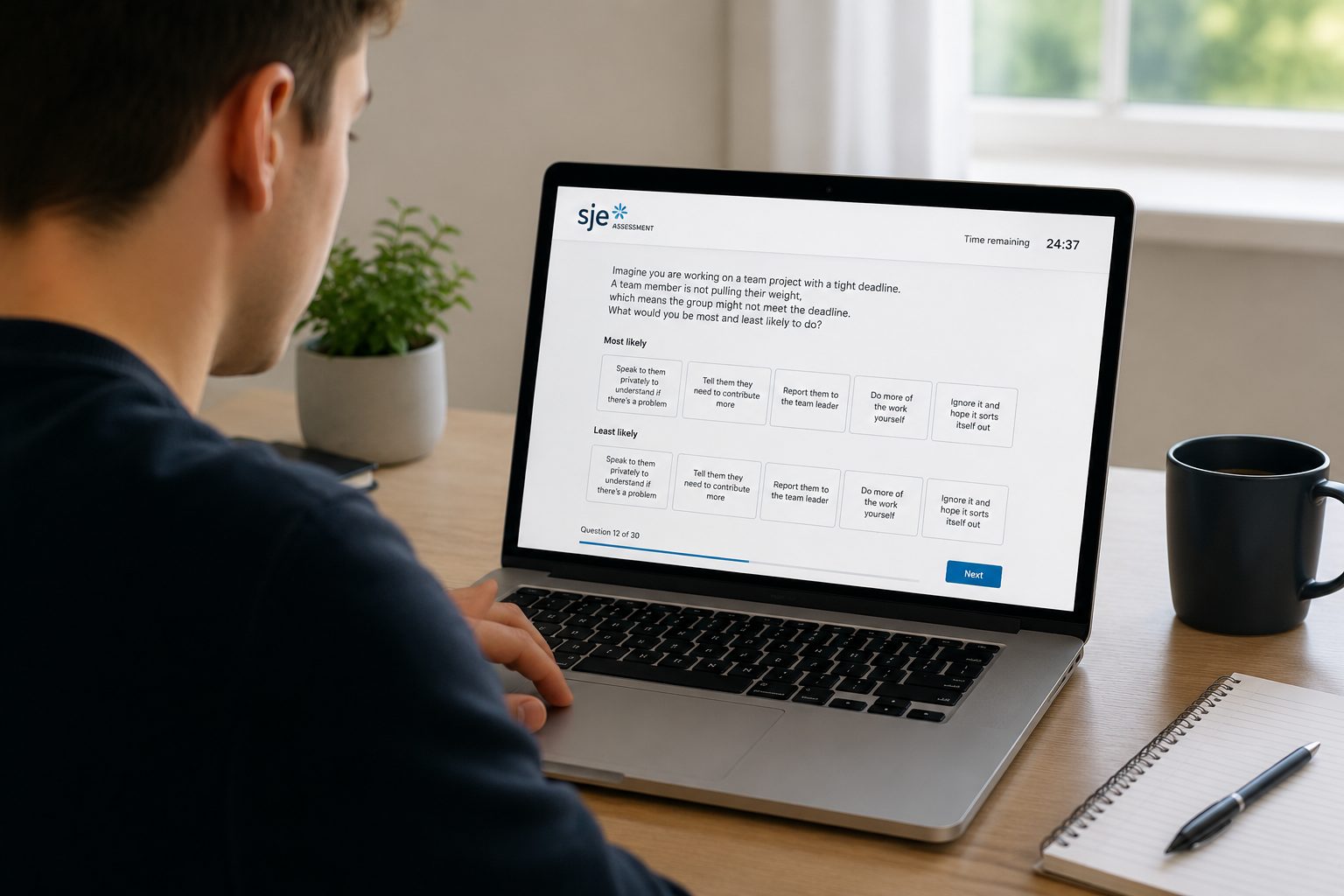
Psychometric preparation is one of the most searched areas, and for good reason. It is also the area where poor-quality resources cause the most confusion. Generic brain-training tools may improve familiarity with timed tasks, but they often fail to reflect the concentration, consistency and rule-following required in rail recruitment.
The best resources here are structured, realistic and disciplined. They should help you practise sustained attention, processing speed, accuracy under pressure and the ability to keep performance steady over time. They should also encourage good habits: proper timing, quiet practice conditions, repeat attempts with reflection, and honest review of where errors happen.
What they should not do is suggest there is a trick to bypass assessment standards. There is not. Strong preparation improves your readiness by sharpening the underlying behaviours being measured. That is why quality matters. You want resources that help you work methodically, not chase shortcuts.
Structured interview and MMI preparation resources
Interview preparation for train driver roles is very different from rehearsing generic answers about strengths and weaknesses. Most candidates need resources that help them build evidence around competence, safety, standards, communication and motivation for the role.
The best practice resources for interviews usually include question frameworks, guidance on structuring examples and feedback on whether your evidence is specific enough. A strong answer in this context is rarely dramatic. It is usually clear, factual and disciplined. Recruiters want to hear how you handled responsibility, followed procedures, remained calm, corrected errors and stayed focused over time.
Resources are particularly effective when they force you to prepare examples from real situations rather than scripted statements. If you cannot explain what you did, why you did it and what the outcome was, the answer will sound thin. Good interview preparation makes your evidence more precise.
CPD and operational understanding resources
Not every useful resource is directly tied to a live application stage. Some of the best long-term preparation comes from CPD-based learning that strengthens your understanding of operational thinking, risk-based decision making and professional standards.
This type of preparation is valuable because it develops the mindset behind selection performance. If you understand how safety-critical environments depend on consistency, situational awareness and controlled decision making, your application becomes stronger across the board. Your CV reads better, your interview examples improve and your appreciation of the role becomes more credible.
For some candidates, especially those entering rail from unrelated industries, this learning closes a major knowledge gap. It does not replace recruitment preparation, but it supports it in a practical way.
How to judge whether a resource is worth your time
A useful rule is to ask one question: does this resource help me perform better in a train driver selection context, or is it just generally interesting? Plenty of material falls into the second category.
Good resources are specific, repeatable and measurable. They let you identify weak areas, practise deliberately and track improvement. They also feel appropriately demanding. If a resource seems too easy, too vague or too entertaining, it may not be preparing you for the real standard.
Look for material that uses clear rail-career language, recognises the difference between application stages and respects the seriousness of the role. A resource should not oversell, dramatise or imply that recruitment standards can be gamed. Serious providers understand that preparedness comes from disciplined work.
Common mistakes when choosing practice resources
One common mistake is starting with whatever is free and popular rather than what is relevant. Free videos, online discussions and broad aptitude apps can help you get your bearings, but they are rarely enough on their own.
Another mistake is preparing too narrowly. Some candidates spend all their time on tests and neglect the application form or interview. Others prepare polished interview answers but have no structured psychometric routine. Train driver recruitment is multi-stage, so your preparation needs range as well as depth.
There is also a timing issue. If you wait until a vacancy opens before preparing, you may not have enough time to build quality examples, improve your CV and establish strong test discipline. Candidates who prepare steadily beforehand are usually calmer and more organised when an application window appears.
Building your own preparation plan
Most applicants do best with a simple sequence. Start by confirming eligibility and reviewing whether your CV reflects safety-critical strengths. Then move into psychometric practice with a consistent schedule rather than occasional bursts. Alongside that, begin collecting interview examples from your work history so you are not scrambling later.
After that, add role-specific learning. Read carefully about the realities of the job, think about depot location and lifestyle implications, and strengthen your operational understanding through relevant CPD if needed. This creates a more balanced profile than test practice alone.
If you use specialist support, the value usually comes from reducing guesswork. Focused preparation can help you identify what employers are actually looking for and where your application is currently weak. For many candidates, that clarity is the difference between working hard and working effectively.
The best train driver practice resources are the ones you can apply
There is no single resource that guarantees readiness for every applicant. What works best depends on your background, your current level of understanding and the stage you have reached. A former signaller, a bus driver, a warehouse supervisor and a military leaver may all need slightly different emphasis.
What does stay constant is the standard. The best train driver practice resources are the ones that help you present credible evidence, improve measured performance and think more like a safety-critical professional. If a resource supports that process, it is worth serious attention. If it only offers noise, leave it aside and keep your preparation focused.
Approach your preparation with patience and structure. The process is demanding, but it responds well to candidates who prepare in a measured, professional way.