

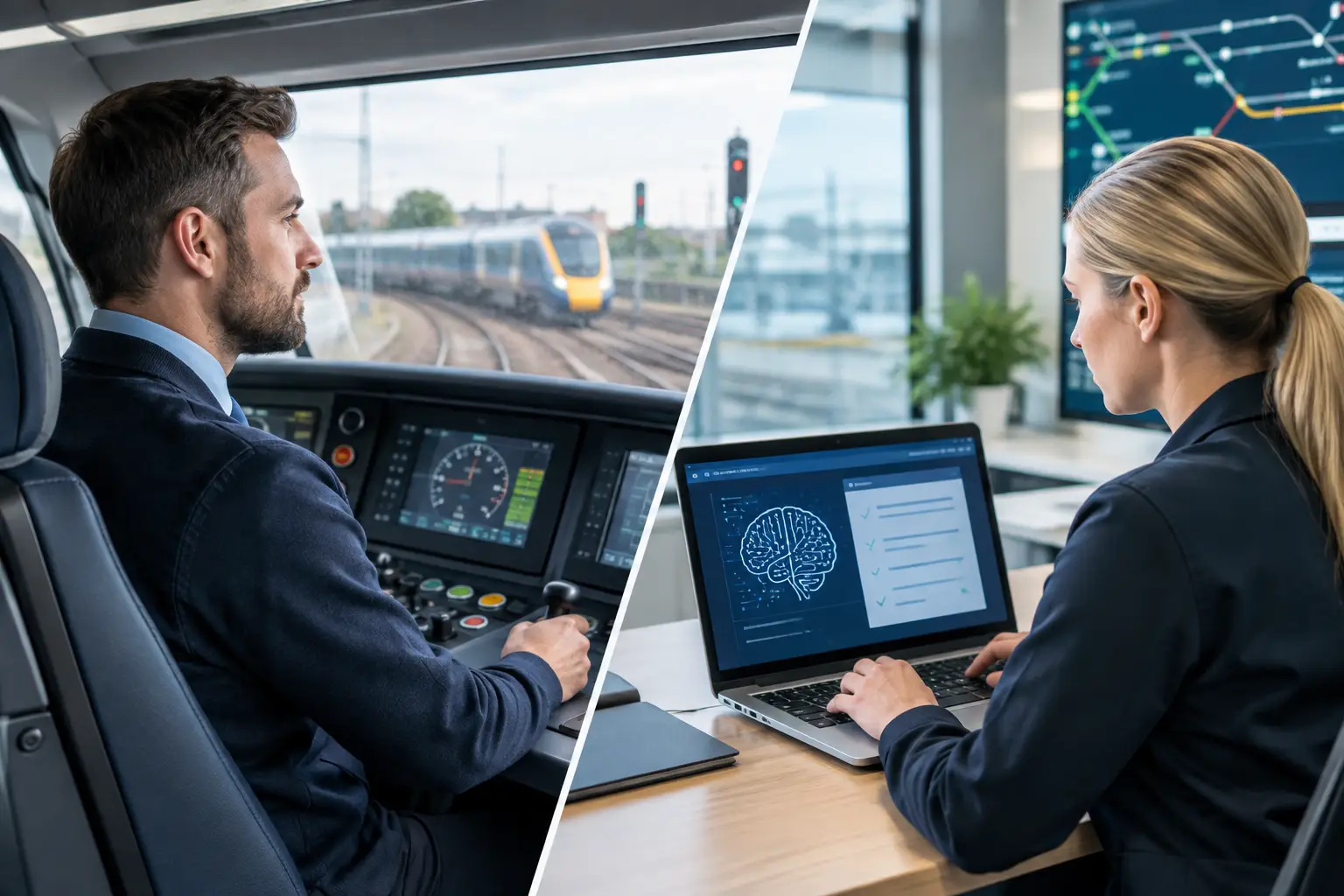
A rail CV review versus AI checker decision is not simply about choosing between a person and software. For a trainee train driver application, your CV must show that you understand the demands of safety-critical work and can evidence the behaviours a Train Operating Company is likely to assess further. The strongest choice depends on where your CV is now, the quality of your experience, and how much role-specific guidance you need.
An AI checker can give fast, useful feedback on presentation and language. A specialist rail CV review can look beyond the wording to assess whether your evidence actually supports a credible application for a safety-critical railway role. Used at the right stage, both can have a place in a well-prepared application.
What an AI CV checker does well
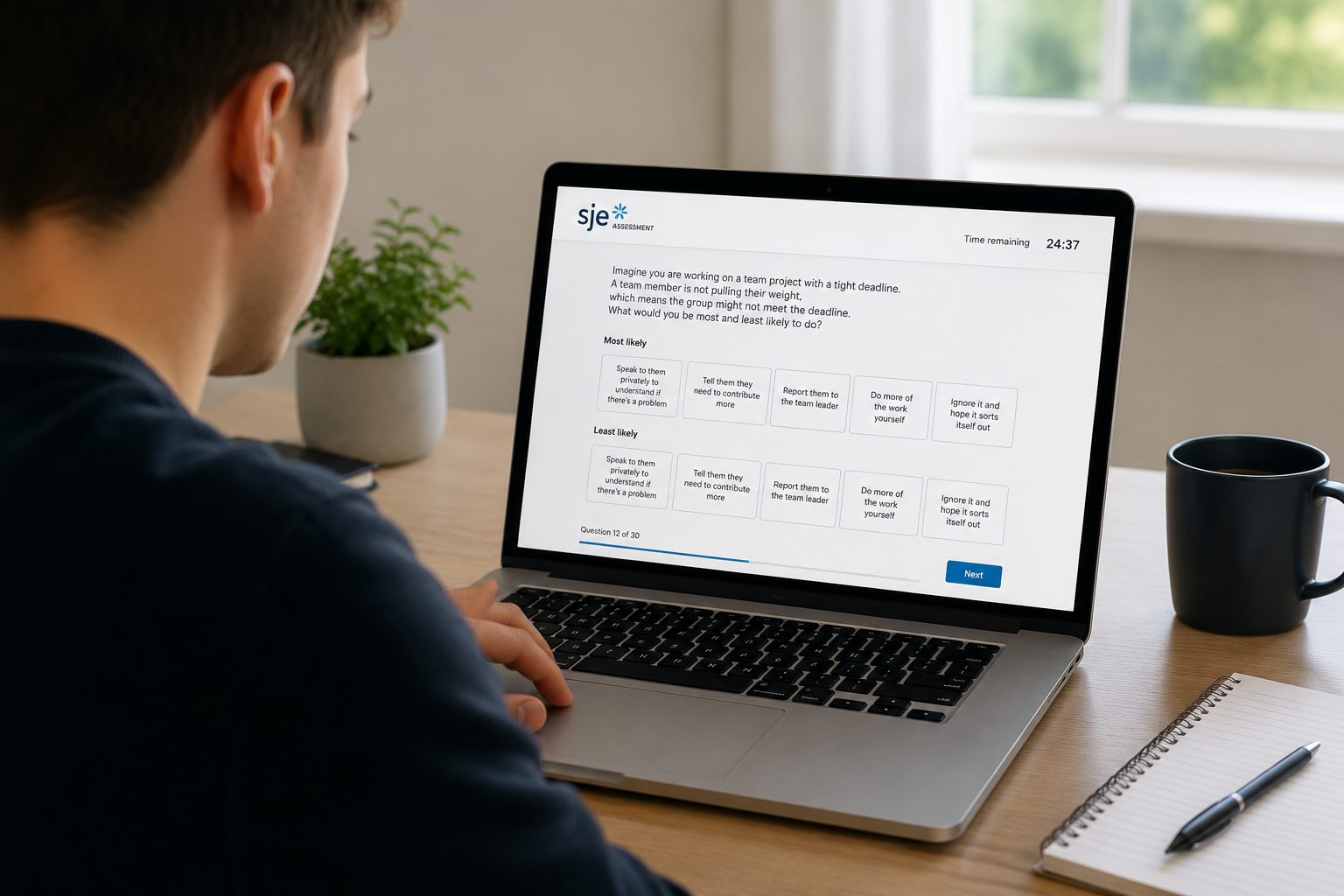
AI CV checkers are designed to scan a document quickly and identify common issues. They can flag spelling mistakes, inconsistent formatting, overly long sentences, repeated phrases and vague statements. For a candidate who has not updated their CV for several years, this can be a practical starting point.
They are also useful for improving readability. If your employment history is difficult to follow, an AI tool may suggest clearer headings, more concise bullet points or stronger action-led language. This matters because recruitment teams often need to review a high volume of applications. A CV that is clean, logically organised and easy to scan gives your experience a fairer chance of being understood.
AI can also help you spot generic wording. Phrases such as "hard-working team player" or "excellent communication skills" are common on CVs but do little without evidence. A checker may prompt you to add measurable examples, such as managing competing priorities, following procedures accurately, reporting hazards or working reliably within a shift-based operation.
That said, an AI checker works from patterns. It cannot reliably judge the depth, relevance or credibility of your examples in the same way as a rail recruitment specialist. It may recognise keywords, but it cannot fully understand whether your CV demonstrates the operational maturity expected in a trainee train driver candidate.
Rail CV review versus AI checker: the key difference
The central difference in a rail CV review versus AI checker comparison is context. An AI checker considers how the document reads. A specialist reviewer considers what your experience means in relation to the role you are applying for.
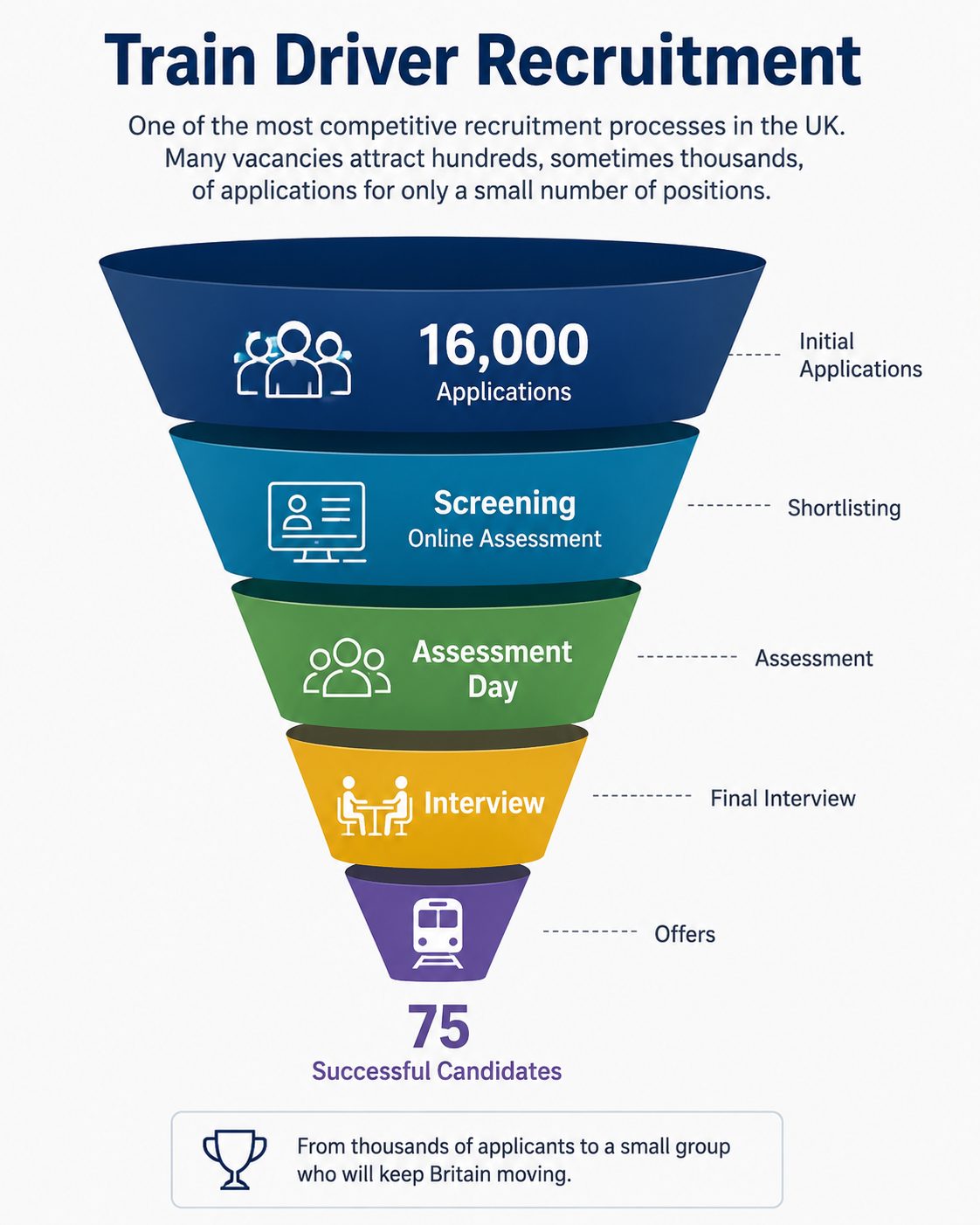
Trainee train driver recruitment is competitive because the role carries significant responsibility. TOCs are not simply looking for candidates with an interest in trains. They need people who can demonstrate conscientiousness, concentration, adherence to rules, calm decision making, communication and a consistent approach to safety.
A rail-focused reviewer can identify whether your previous roles contain evidence of these qualities, even if they were not railway jobs. A warehouse supervisor, bus driver, Armed Forces service leaver, emergency services worker, production operative or customer service professional may all have relevant experience. The value lies in selecting the right examples and presenting them accurately.
For example, an AI tool may recommend changing "completed daily checks" to "performed daily inspections". That is a reasonable writing improvement. A specialist reviewer is more likely to ask whether you can explain the purpose of those checks, how you recorded defects, what you did when something was outside tolerance, and how you escalated an issue. Those details demonstrate a safety mindset rather than just a task.
Where human rail expertise adds value
A good rail CV review should not fill your application with railway jargon or make unsupported claims. Instead, it should help you translate genuine experience into evidence that is relevant to a safety-critical selection process.
This usually means examining the quality of your examples. Have you shown that you can work alone without losing discipline? Have you demonstrated that you follow procedures even when under time pressure? Does your employment history show reliability, attendance and professional standards? Are there gaps or career changes that need a clear, honest explanation?
A reviewer can also highlight risks that automated tools may miss. Candidates sometimes overstate responsibility in an attempt to sound more suitable, use vague claims of safety awareness without examples, or include irrelevant material that distracts from stronger evidence. These choices can weaken a CV, particularly when the role requires trust, accuracy and self-awareness.
Human feedback is particularly valuable if you are changing careers. Someone moving from the military, logistics, driving, manufacturing or retail supervision may have substantial transferable experience but struggle to frame it for rail. The right guidance helps you identify relevant behaviours without pretending that previous work was identical to train driving.
Where AI feedback can fall short
An AI checker may suggest polished wording that sounds impressive but does not sound like you. If a revised CV uses language you would never use in an interview, it can create a disconnect between your written application and your later responses. Clear, professional and truthful language is more useful than inflated phrasing.
It can also encourage keyword-heavy writing. Keywords have a role when they reflect real experience, but adding terms such as safety-critical, risk assessment or incident management without evidence is unlikely to strengthen your application. Recruitment decisions are based on the substance of what you have done and how well you can explain it.
There is also a confidentiality point to consider. Before uploading a CV to any online tool, check what personal information it retains and how it uses submitted documents. Remove unnecessary sensitive details, such as your full address, date of birth, employee number or references. A CV needs enough information to present your career history, not every personal detail.
Finally, AI cannot know the specific standard or format requested in a live vacancy. Always read the advert and application instructions carefully. If an application form asks for competency examples, a polished two-page CV will not replace the need to answer those questions directly.
When an AI checker is the right first step
An AI checker is a sensible first option when you have a basic draft and need to improve its presentation before requesting more detailed feedback. It can help you remove obvious errors, reduce repetition and make your work history easier to read. It is also useful after you have made changes following a professional review, as a final check for grammar and consistency.
It may be enough if you are already experienced in writing targeted applications and can clearly identify your strongest safety, operational and customer-facing evidence. Even then, treat the suggestions as prompts rather than instructions. Keep control of the final document.
When to choose a specialist rail CV review
Choose a specialist rail CV review when you are unsure how to position your background for trainee train driver recruitment, have received little response from applications, are returning to the job market after a long period, or want an informed view before applying for a role you genuinely want.
It is also the stronger option if your career history is complex. Employment gaps, frequent role changes, disciplinary history, health-related absences or incomplete qualifications should never be hidden or misrepresented. However, they may require careful, factual presentation. A reviewer can help you focus on clarity and professional accountability while ensuring the CV remains your own work.
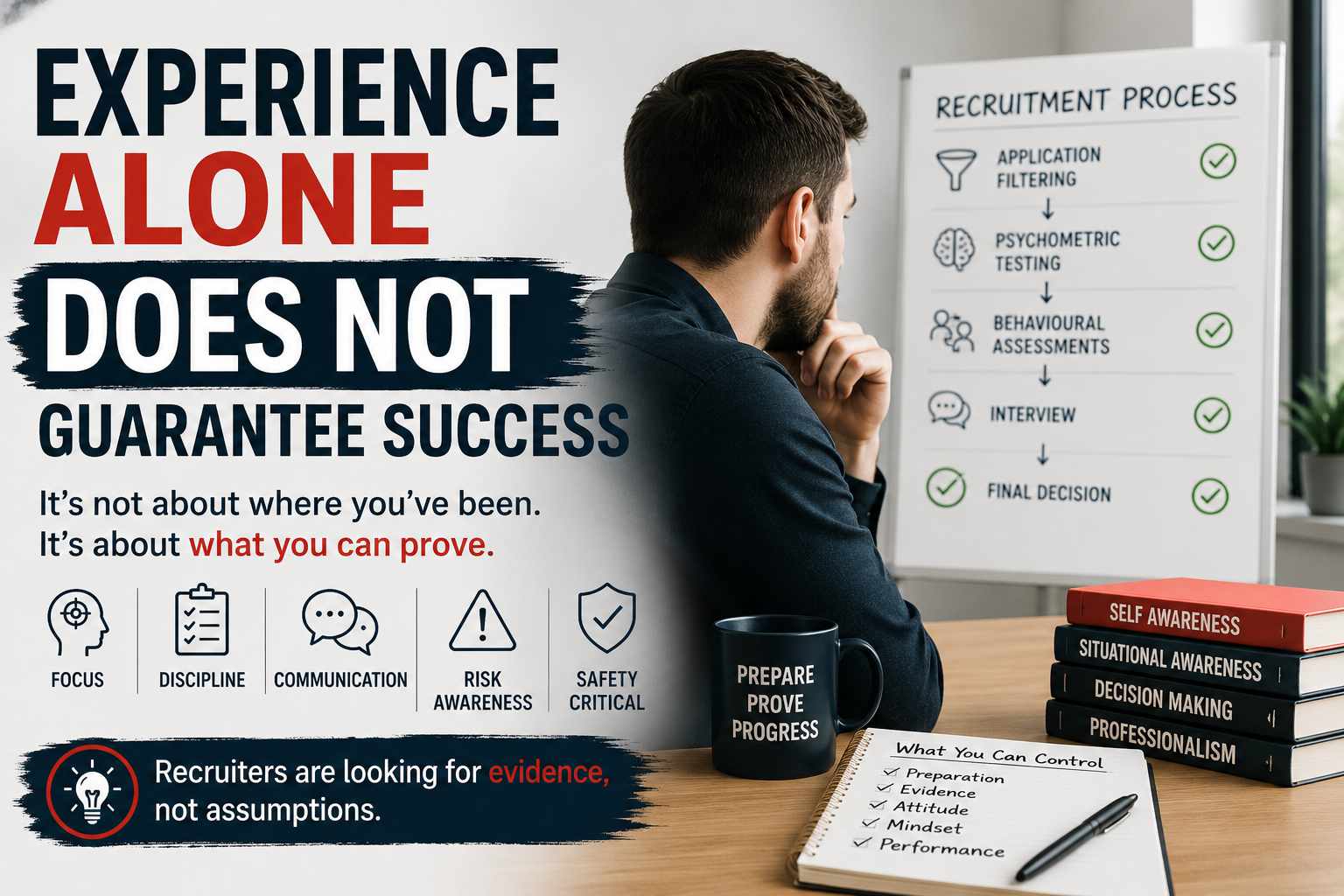
The objective is not to manufacture the perfect candidate. It is to produce a document that accurately shows your readiness to progress through a demanding recruitment process, including structured interviews and psychometric assessments where required.
A practical way to use both
For many applicants, the most effective approach is sequential. Start by writing your CV from your real experience. Use an AI checker to correct obvious language and layout issues. Then seek rail-specific feedback on relevance, evidence and positioning. After making the recommended changes, complete one final proofread yourself.
Before you submit, ask three direct questions. Can a recruiter quickly understand what I have done? Does each important claim have a credible example behind it? Would I be comfortable discussing every line of this CV in a structured interview?
If the answer to any of these is no, keep refining. A strong trainee train driver CV does not need dramatic claims. It needs clear evidence of responsibility, consistency, safety awareness and the professional habits that can be developed further through proper selection and training.
Your CV is only the first stage, but it sets the standard for the application that follows. Choose feedback that helps you communicate your real capability with accuracy, not feedback that merely makes the page sound more impressive.