

A rail interview can be the point at which a strong application either becomes credible or falls away. A CV may show transferable experience, but the interview must show how you think, communicate and behave in a safety-critical operational environment. This rail interview coaching review sets out how to judge whether coaching is genuinely relevant to trainee train driver and railway roles - and whether it is the right next step for you.
What rail interview coaching should actually help with
Railway interview coaching is not about learning a script or finding a formula that guarantees an offer. Train Operating Companies use structured recruitment processes because they need evidence of behaviours that support safe, dependable operation. A convincing answer is one that is truthful, specific and clearly connected to the question asked.
Good coaching helps you understand the purpose behind the questions. For a trainee train driver role, that often means exploring your approach to rules, concentration, personal responsibility, communication, routine, learning and dealing with unexpected situations. It should also help you recognise the difference between an answer that sounds generally professional and one that gives assessors usable evidence.
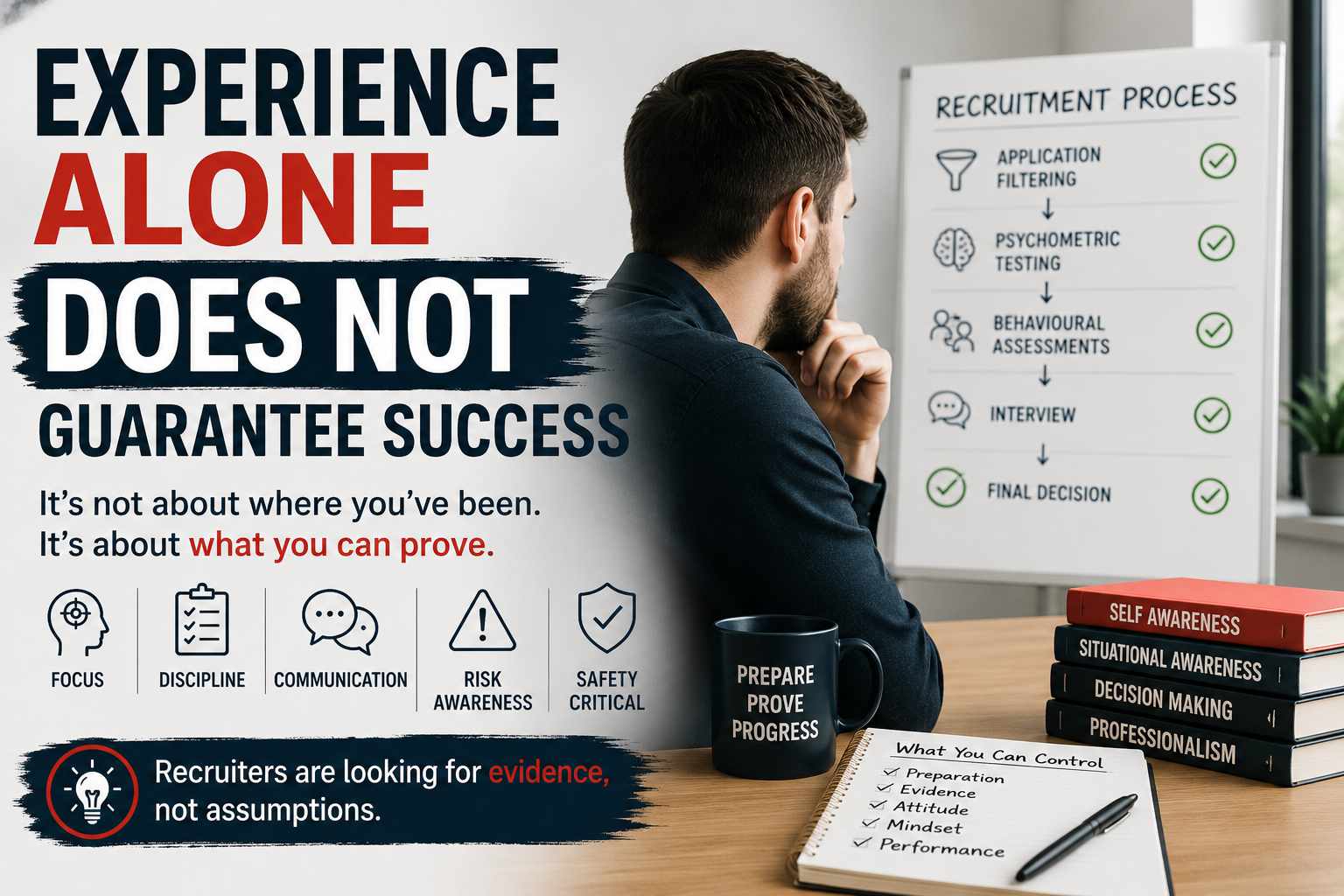
For example, saying that you are safety conscious is a claim. Explaining how you identified a risk, followed the correct process, communicated concerns and reflected on the outcome is evidence. Coaching should develop your ability to structure that evidence without making your answers sound rehearsed.
A worthwhile service will also explain the likely format of the stage you are preparing for. This may include a structured competency interview, a motivation-focused discussion, or an interview that tests your understanding of the demands of the role. Exact questions and selection arrangements can vary between TOCs and campaigns, so coaching must build adaptable interview skills rather than promise a fixed set of questions.
Rail interview coaching review: the criteria that matter
When reviewing a coaching provider, start with specialism. Generic interview advice can be useful for basic confidence and presentation, but it may not address the operational realities of rail recruitment. A provider focused on train driver selection should understand why assessors look for disciplined decision making, measured communication and consistent respect for procedures.
That does not mean every candidate needs extensive coaching. If you already have recent experience of competency interviews and can give clear, relevant examples from a safety-conscious role, targeted practice may be sufficient. If you are changing careers, returning to interviews after several years, or unsure how to translate military, emergency services, logistics or customer-facing experience into rail-relevant evidence, more structured support may be worthwhile.
Look for role-specific guidance, not generic confidence building
Confidence matters, but it cannot replace preparation. Be cautious if a service focuses mainly on sounding impressive, using fashionable interview language or memorising model answers. Railway recruitment is designed to assess whether your examples show sound judgement and a professional attitude to safety, not whether you can deliver polished phrases.
Relevant coaching should help you identify examples from work, volunteering or previous responsibilities that demonstrate qualities such as sustained concentration, adherence to process, working independently, responding to feedback and remaining composed when plans change. It should encourage honest reflection on what you did personally, what actions you took and what you learned.
The best preparation also makes room for motivation. Candidates should be able to explain why they want a long-term railway career without relying solely on pay, job security or an interest in trains. Those factors may form part of a genuine career decision, but interviewers are also likely to be interested in whether you understand the routine, responsibility and shift-based nature of a trainee driver role.
Check whether feedback is specific and usable
Feedback is where coaching becomes more than a practice conversation. After a mock interview, you should know which answers were too vague, where your example lacked a clear action or outcome, whether you answered the question directly, and where your explanation needed more operational relevance.
Useful feedback might identify that you repeatedly say “we” without clarifying your personal contribution, rush through the situation before explaining your decision, or overlook the communication element of an example. It should then give you a practical way to improve before the next attempt.
Broad comments such as “be more confident” or “add more detail” are rarely enough on their own. They may be well meant, but they do not tell you what to change. Look for a process that includes structured questioning, constructive challenge and time to practise revised answers.
Expect ethical boundaries around assessment preparation
A credible provider will be clear about the limits of interview and assessment coaching. Preparation should improve your understanding, self-awareness and ability to communicate your genuine experience. It should not involve sharing confidential assessment content, presenting invented examples as your own or attempting to bypass selection standards.
This matters because train driving is a safety-critical profession. Recruitment is not simply a hurdle between you and a job. It is part of the process used to identify candidates who can develop safely into the role. Coaching that respects this will prepare you to perform authentically and professionally, rather than encouraging shortcuts that could undermine your application.
What a productive coaching session looks like
A well-run session normally begins with context. The coach should establish the role, the recruitment stage, your work history and the areas you find difficult. Someone with a background in operations may need help turning strong experience into concise interview evidence. A first-time rail applicant may first need a clearer understanding of what a structured interview is assessing.
From there, preparation should be practical. You may work through likely competency areas, build a bank of genuine examples and practise answering under realistic conditions. The aim is not to produce one perfect answer. It is to become comfortable selecting the right experience, organising it logically and speaking clearly when the wording of a question changes.
A useful approach is to prepare examples with a simple structure: explain the situation briefly, define your responsibility, describe the actions you took and state the result or learning. The structure should support your answer, not dominate it. If every response sounds identical, it can feel forced and prevent you from responding naturally to follow-up questions.
You should also expect challenge. An interviewer may ask what you did when a procedure was unclear, how you raised a concern, or why you made a particular decision. Coaching should help you stay factual under this pressure. Where an example exposes a gap in your experience, the right response is not to invent detail but to choose a better example or explain honestly what you learned.
Questions to ask before paying for support
Before choosing a service, check what is included. Is it a one-to-one session, a written review, a mock interview with feedback, or a broader preparation package? Does it focus on the specific stage you have reached? Can you submit examples or questions in advance? Will you receive clear actions to complete afterwards?
It is also sensible to consider timing. Coaching is most effective when you have enough time to reflect, practise and improve. Booking a session the night before an interview may settle nerves, but it leaves little room to apply feedback. Equally, preparing too far in advance without a confirmed application or interview can make your examples feel stale. The right point is usually when you understand the role you are pursuing and can commit time to focused practice.
Price should be considered alongside relevance. A lower-cost generic session may be enough if you only need interview structure. Specialist support can offer greater value where it explains rail expectations, challenges weak evidence and links your preparation to the standards of a safety-critical role. The right choice depends on your starting point, not on the most expensive package.
Make coaching part of your wider preparation
Interview performance should sit alongside, not replace, the rest of your preparation. Read the job information carefully, review your application for claims you may be asked to expand on, and make sure you can discuss the practical demands of shift work, independent working and sustained responsibility realistically.
Train Driver Foundation approaches preparation as a pathway: understanding eligibility and the role, building a credible application, preparing for assessments and developing interview evidence that reflects your real experience. That order matters. A strong interview answer is easier to give when your motivation is informed, your examples are organised and your understanding of the job is realistic.
The most useful coaching does not make you sound like somebody else. It helps you present your own professional judgement with greater clarity. For a railway career built on consistency, safety and responsibility, that is the preparation worth taking seriously.