


A rail interview preparation package should do more than provide a set of generic interview questions. For a trainee train driver or safety-critical rail applicant, it should help you understand what Train Operating Companies are assessing, organise your evidence clearly and practise communicating in a calm, credible and safety-focused way.
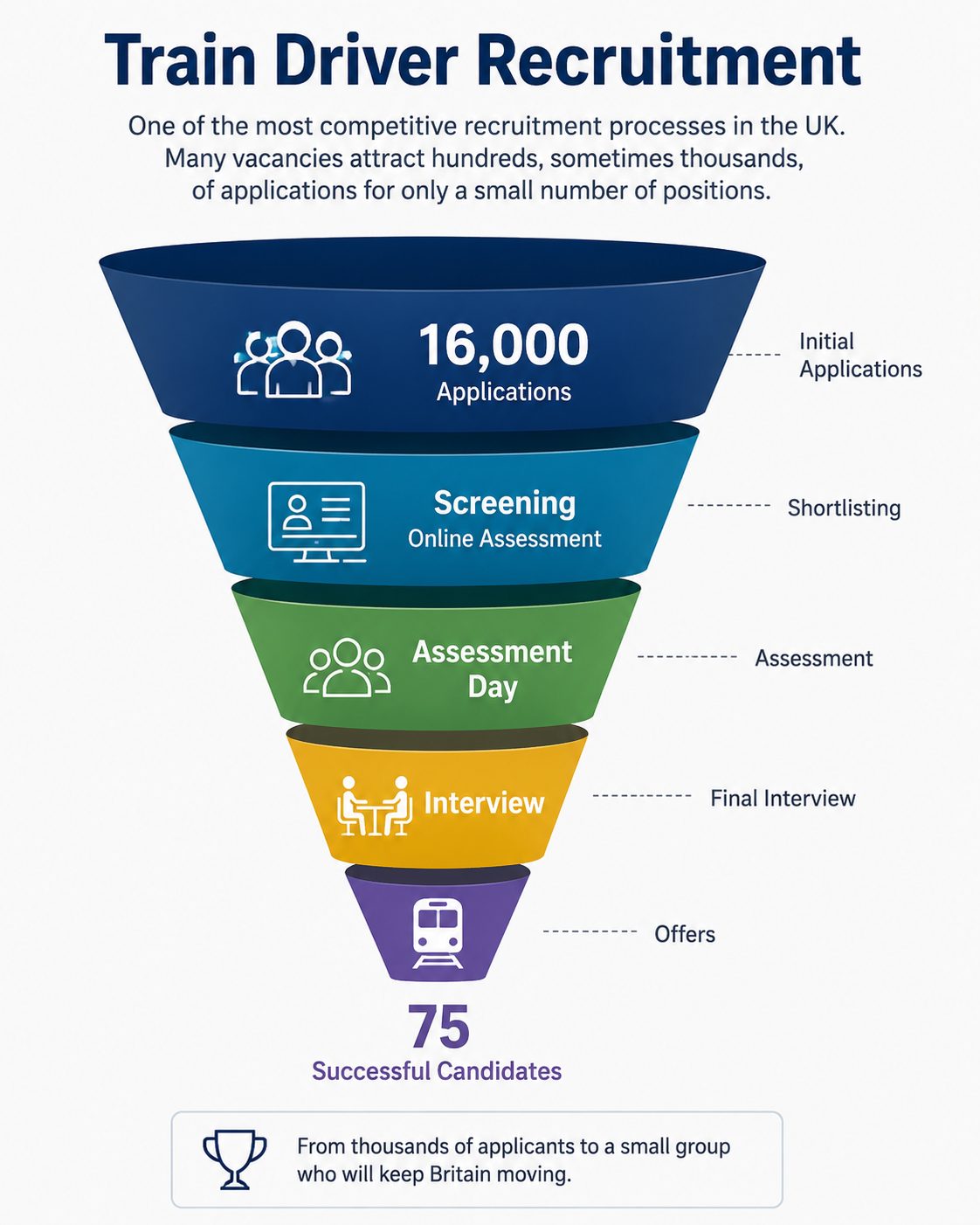
Rail recruitment is competitive because the work carries real responsibility. At interview, the panel is not looking for the most polished sales pitch. They need evidence that you can follow rules, manage risk, maintain concentration, communicate appropriately and work reliably within a structured operation. Good preparation helps you show those qualities without exaggeration or rehearsed-sounding answers.
Why rail interviews need focused preparation
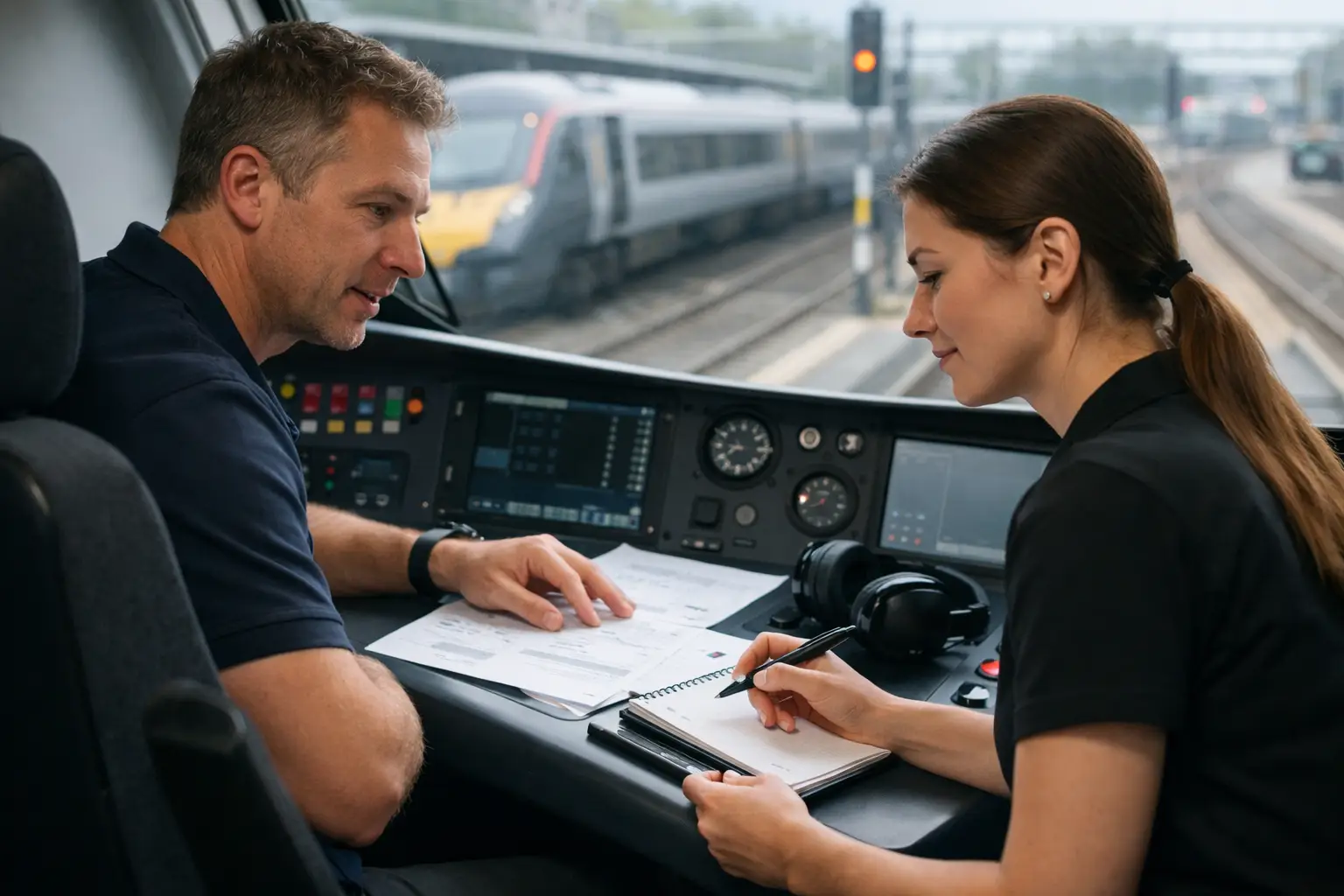
A structured rail interview is different from a general job interview. Questions are usually designed to draw out past behaviour, motivation and your understanding of the demands of the role. The interviewer may return to an answer, ask for more detail or test whether your example genuinely demonstrates the competency being assessed.
Candidates can be caught out when they rely only on broad statements such as, “I am safety conscious” or “I work well under pressure”. Those claims mean little unless you can support them with a specific situation, the actions you took and the outcome. A strong answer also explains your personal contribution rather than describing what the wider team did.
The aim is not to memorise a script. In fact, overly scripted answers can make it harder to respond naturally when the wording of a question changes. The right preparation gives you a clear framework, a bank of relevant examples and the confidence to explain them accurately.
What a rail interview preparation package should include
The most useful package is built around the realities of safety-critical recruitment rather than generic employability advice. It should help you prepare for the parts of the process that require the most careful thought.
A clear view of the role and recruitment standards
Before practising interview answers, you need a realistic understanding of the role you are applying for. Train driving requires sustained attention, professional discipline, rule compliance, independent working and effective communication with the wider railway. It can involve shift work, early starts, nights, weekends and the need to remain composed when plans change.
A preparation package should help you connect this operational reality to your own motivation. This matters because interviewers will often explore why you want the role, what you understand about its demands and how you have prepared for a career change. A credible answer is specific and considered. It is not based solely on pay, job security or a vague interest in trains.
Structured interview question practice
Most candidates benefit from practising competency-based questions in a structured way. Common themes can include safety, following procedures, concentration, communication, customer impact, dealing with pressure, working alone and responding to problems appropriately.
The value is in learning how to build an answer. A useful structure is Situation, Task, Action and Result, often called STAR. Start with enough context for the interviewer to understand the example, then focus on what you did, why you did it and what happened. Where relevant, explain what you learned and how it changed your future approach.
For example, an answer about safety should demonstrate more than spotting a hazard. It should show measured decision-making: recognising the risk, following the correct process, communicating concerns and avoiding assumptions. The best examples are often drawn from everyday roles in logistics, the Armed Forces, manufacturing, emergency services, construction, retail, transport or care. You do not need previous railway experience to demonstrate the right behaviours.
Personalised feedback on your examples
Practising alone can reveal gaps, but independent feedback is where many candidates make progress. A specialist review can identify answers that are too vague, too long or poorly matched to the competency. It can also highlight when an example accidentally creates concern, such as describing a shortcut, an unnecessary confrontation or a decision made outside the correct authority.
Feedback should remain honest. It cannot tell you the exact questions a particular TOC will ask, and it should not encourage you to present experiences that are not your own. Its purpose is to help you articulate genuine evidence professionally and consistently.
Preparation for motivation and values questions
Motivation questions can look straightforward, but they deserve serious attention. “Why do you want to be a train driver?” is not an invitation to recite a slogan. It is an opportunity to show that you understand the role, have thought about its lifestyle and are drawn to the responsibility as well as the career progression.
Your answer should connect your experience and values to the job. Perhaps you have worked in a regulated environment, enjoyed roles requiring concentration or demonstrated dependable performance on shifts. Be careful not to force a connection that is not there. A measured answer is more convincing than an overconfident one.
Guidance on assessment-stage consistency
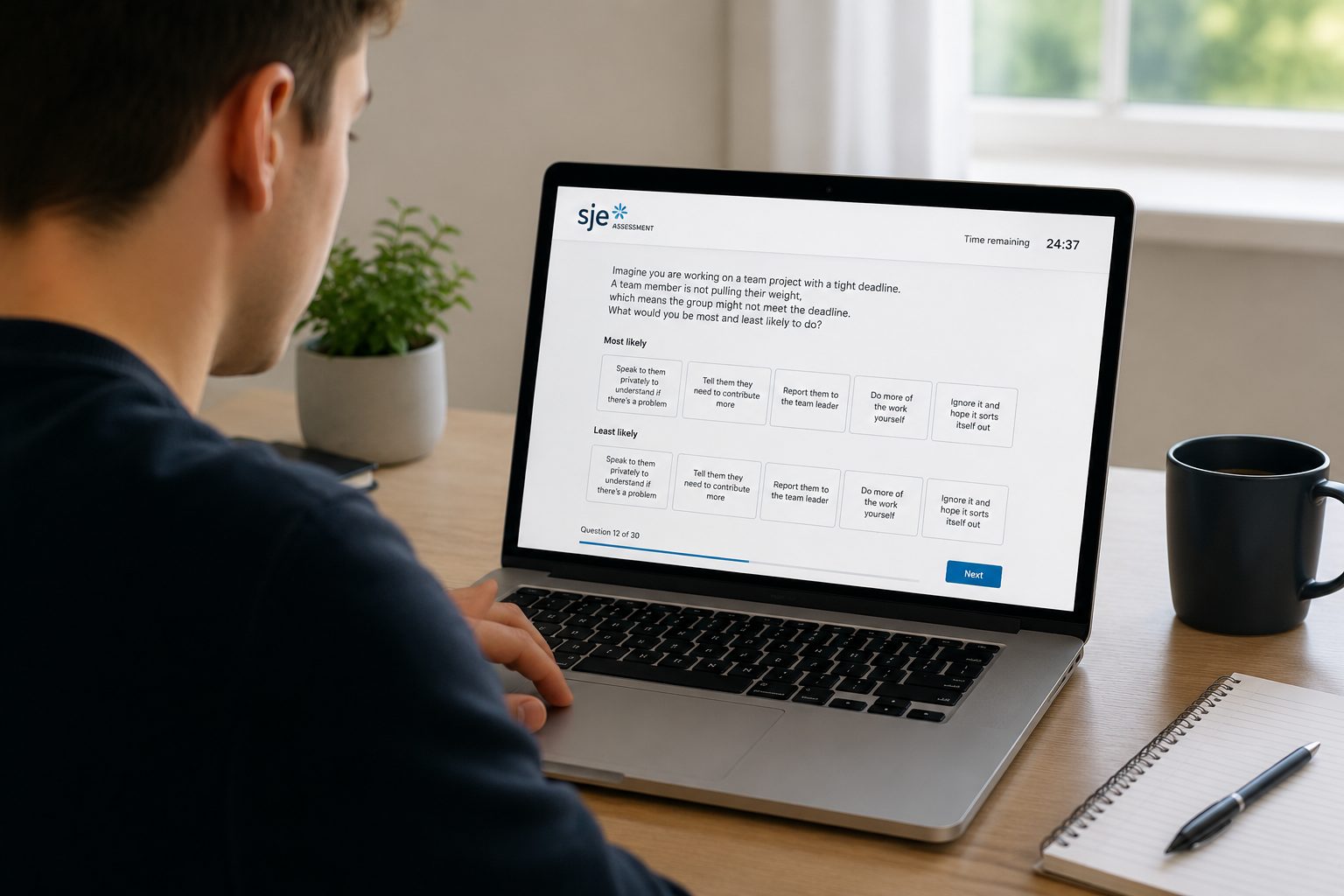
Interview performance does not sit in isolation. Your application form, CV, online assessments and interview should form a consistent picture of you as a candidate. A package that includes CV review and assessment guidance can help you identify the evidence you will later need to discuss.
This is particularly valuable for career changers. If your current job title does not sound operational, your examples may still show relevant strengths. Managing a busy workload, applying controlled processes, completing accurate records, raising concerns and remaining focused during repetitive tasks can all be relevant when explained with the right detail.
How to choose the right level of support
Not every applicant needs the same rail interview preparation package. If you have a strong application, relevant operational experience and confidence with structured interviews, focused interview practice may be enough. If you are new to rail recruitment, returning to interviews after several years or applying for your first safety-critical position, a wider package may offer better value.
Consider where you are most likely to lose marks. Some candidates have excellent work examples but struggle to keep answers concise. Others communicate well but have not yet researched the realities of train driving. A few need support identifying suitable examples from a non-rail background. Choose preparation that addresses your actual gap rather than buying material you are unlikely to use.
It is also sensible to distinguish between preparation and prediction. No provider can guarantee an interview invitation, a pass or a job offer. Recruitment standards, vacancy requirements and interview formats can differ between employers and campaigns. Preparation improves your readiness; it does not replace honest experience, eligibility or consistent professional conduct.
Build your evidence before you practise
The strongest interview preparation starts well before a mock interview. Set aside time to list situations from your work, voluntary activity, study or service that demonstrate the behaviours expected in safety-critical roles. Aim for a range of examples rather than trying to use one story for every question.
For each example, write down the situation, the risk or challenge involved, your responsibility, the action you took and the result. Then test it. Could you explain it in two minutes? Is your own role clear? Did you follow the appropriate process? Would the example still make sense to someone with no knowledge of your previous workplace?
If an example involves a mistake, do not automatically discard it. A well-handled example can show accountability, learning and improved practice. However, be truthful and avoid presenting a serious safety failure as a dramatic success story. The focus should be on how you recognised the issue, escalated it properly and learned from it.
Getting the most from interview practice
Treat practice as a professional rehearsal, not a performance. Answer questions aloud, use a timer and record yourself if that helps you notice repetition or unclear wording. A calm pace is usually more effective than rushing to fill silence.
On the day, listen carefully to the wording of each question. Ask for clarification if needed, take a brief moment to organise your thoughts and answer what was asked. If you do not have a perfect example, choose the closest genuine one and explain it clearly. Trying to invent detail under pressure is rarely convincing.
A specialist provider such as Train Driver Foundation can help candidates prepare systematically, combining role-specific interview guidance with wider recruitment and development support. The standard to aim for is not a flawless performance. It is a credible, evidence-based account of why you are ready to take the responsibilities of a safety-critical railway career seriously.
The most productive next step is simple: identify your best real examples, test them against the demands of the role and give yourself enough time to improve each answer before an interview date is confirmed.