




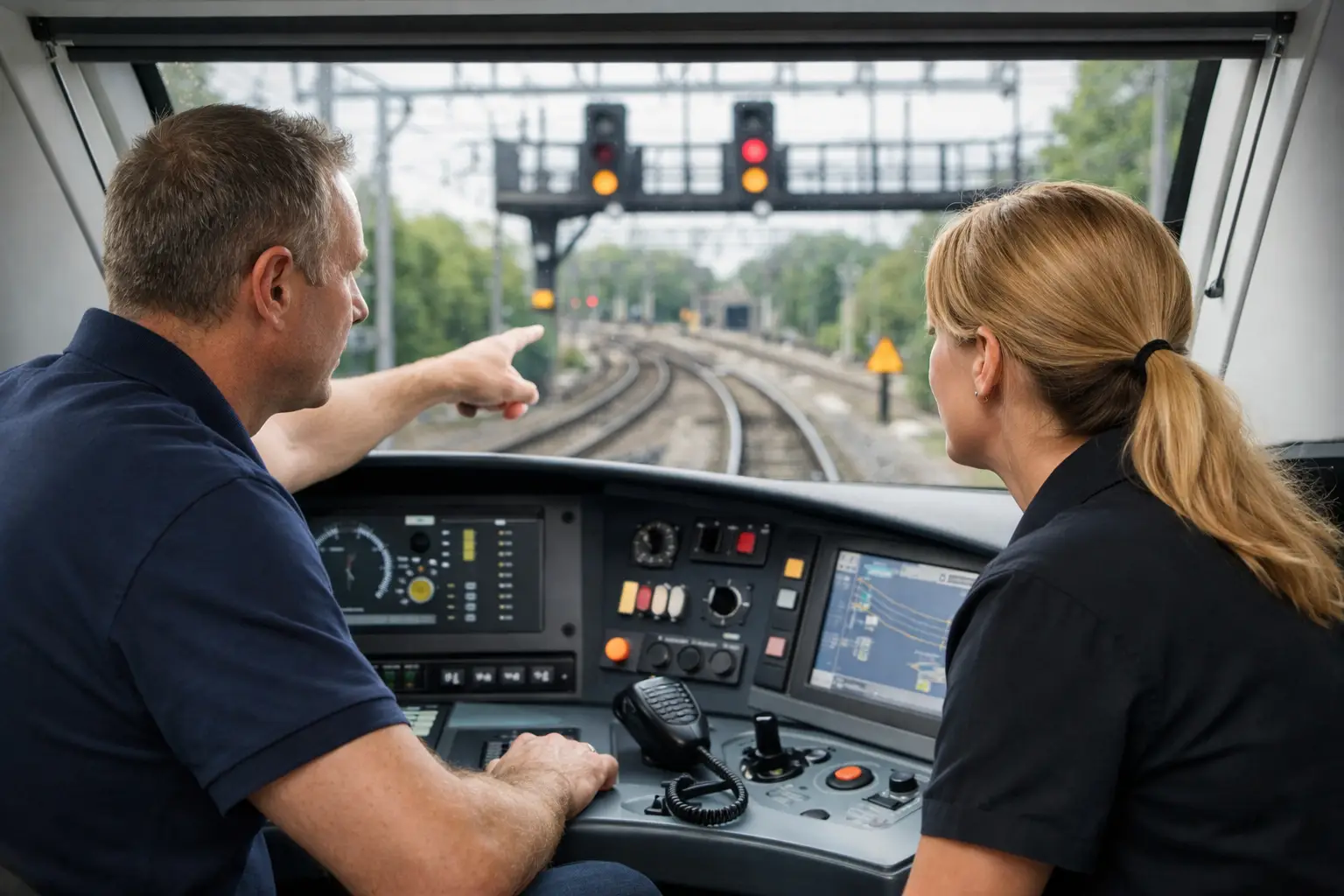
A trainee driver is not judged only on whether they can follow instructions. They are judged on how they think when the situation is not perfect - when information is incomplete, time is limited, and the safest decision still needs to be made. That is why risk based decision making training matters so much in safety-critical rail careers.
For aspiring train drivers and other operational candidates, this type of training develops the judgement expected in real railway environments. It is not about guessing, acting on instinct alone, or trying to sound impressive in interview answers. It is about learning how to assess a situation calmly, identify hazards, weigh consequences, and choose a safe, proportionate course of action.
What risk based decision making training actually teaches
At its core, risk based decision making training teaches people to think in a structured operational way. In railway settings, good decisions are rarely based on speed alone. They depend on attention, discipline, situational awareness and a clear understanding of what could go wrong if the wrong action is taken.
That means the training usually focuses on recognising hazards early, checking assumptions, applying rules and procedures correctly, and avoiding unnecessary risk. It also helps candidates understand that doing nothing for a moment can sometimes be the right decision if more information is needed. In a safety-critical role, hesitation is not always weakness. Equally, quick action is not always good judgement.
This matters because rail employers are not simply looking for confident people. They are looking for applicants who can remain controlled, methodical and safety-focused under pressure. The strongest candidates tend to show that they can balance urgency with caution rather than leaning too far towards either.
Why this matters in train driver recruitment
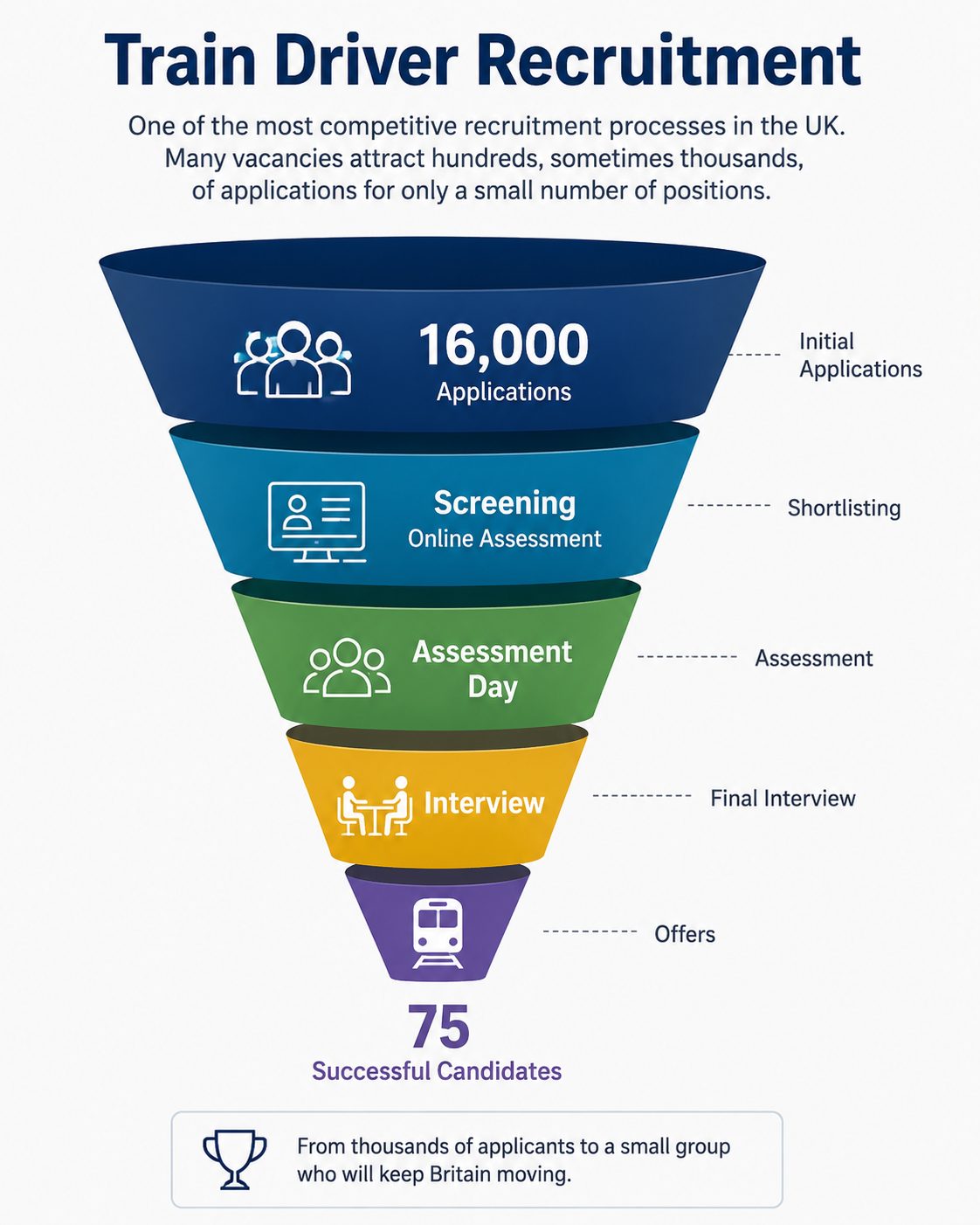
Many applicants assume recruitment is mainly about psychometric tests, interviews and previous work history. Those areas do matter, but underneath them sits a broader question: can this person be trusted to make safe operational decisions?
That question appears in different forms throughout the selection process. It may show up in structured interview examples, in scenario-based questions, or in how a candidate describes past responsibility. Recruiters are often listening for signs of mature judgement, not just polished wording.
If you have worked in transport, the military, emergency response, engineering, logistics or another rules-based environment, you may already have relevant experience. The challenge is knowing how to present it properly. Saying you are good under pressure is weak evidence on its own. Explaining how you assessed risk, followed procedure, communicated clearly and avoided escalation is much stronger.
For first-time rail applicants, this is often the missing link. They may be highly motivated and capable, but they have not yet learned how railway employers define good judgement. Risk based decision making training helps bridge that gap by giving structure to the way candidates think and speak about safety-critical responsibility.
Risk based decision making training and operational thinking
There is a close relationship between risk based decision making training and operational thinking. Operational thinking means understanding that your actions sit inside a wider system. A poor decision may not only affect you. It can affect passengers, colleagues, timetable stability, asset protection and overall safety.
That broader awareness is essential for train drivers. Even routine tasks require concentration and consistency. When conditions change, a driver must stay disciplined rather than reactive. Good judgement comes from noticing what is relevant, filtering out distractions and applying the correct response without cutting corners.
This is also why interviewers often value examples from environments where standards matter. They are not only interested in whether you solved a problem. They want to know how you solved it, what risks you considered, whether you followed the right process and whether your actions protected safety first.
What good decision making looks like in practice
In practice, good risk-based judgement is usually calm, deliberate and well controlled. It starts with recognising that a situation may carry risk. From there, the person assesses what they know, what they do not know, and what the immediate priorities are.
In some situations, the safest response is to stop and verify. In others, the priority is to act promptly within procedure. The key point is that context matters. There is no value in being reckless in the name of decisiveness, and there is no value in delaying a necessary action because you are afraid to commit.
Strong decision making also includes communication. In safety-critical work, keeping the right people informed is often part of the decision itself. A candidate who understands this usually presents more credible examples because they show awareness of teamwork, escalation and accountability rather than treating every challenge as an individual problem to solve alone.
Common mistakes candidates make
One common mistake is confusing confidence with competence. Some applicants believe they need to sound bold and certain at all times. That can backfire. In rail, overconfidence can suggest poor risk awareness if it appears that the candidate would act before checking facts or procedure.
Another mistake is giving examples where the focus is purely on speed or productivity. Efficiency matters, but in safety-critical recruitment it should not come at the expense of control. If your story sounds like you took a shortcut, ignored a process or relied on luck, it will not strengthen your case.
A third mistake is speaking too vaguely. Phrases such as “I stayed calm” or “I used common sense” are incomplete unless you explain what you actually assessed and why your response was appropriate. Recruiters need evidence of structured judgement, not just positive traits.
How training helps you perform better at interview
One of the biggest benefits of risk based decision making training is that it improves how you explain your thinking. Many people have made sensible operational decisions in previous roles, but they struggle to break those examples down clearly.
Training helps by giving you a repeatable framework. Instead of describing events in a rushed or emotional way, you learn to explain the hazard, the options, the constraints, the checks you made and the reason for the final action. That produces stronger, more relevant answers in structured interviews.
It also helps you avoid the trap of telling stories that sound dramatic but are poorly aligned to the role. A useful example is not necessarily the most exciting one. Often, the best examples involve controlled judgement, procedural discipline and a clear understanding of consequences.
Who benefits most from this type of training
Risk based decision making training is particularly useful for career changers entering rail from other sectors. Many have transferable strengths but need help translating them into railway-relevant language. The same applies to Armed Forces service leavers, who often have excellent experience in disciplined environments but still need to align their examples to civilian recruitment expectations.
It is equally valuable for applicants who have never worked in a safety-critical job before. In that case, training can help build the mindset expected by TOCs and show why railway decision making is different from general workplace problem-solving.
Even candidates with solid experience can benefit if they have been unsuccessful before. Sometimes the issue is not lack of ability. It is that their examples do not clearly demonstrate risk awareness, control and operational maturity.
What to look for in risk based decision making training
Not all training on decision making is equally useful for aspiring train drivers. Generic corporate material may discuss leadership or business choices, but railway recruitment requires something more specific. The most useful training is grounded in safety-critical thinking, realistic scenarios and the kind of behavioural standards employers expect.
Look for training that helps you understand how decisions are assessed, not just how to sound confident. It should encourage disciplined thinking, respect for procedure and awareness of human factors. It should also recognise trade-offs. Real judgement is rarely as simple as choosing between an obvious right and wrong option.
Good training will challenge you to slow down your thinking, test your assumptions and explain your reasoning properly. That has value far beyond interview preparation. It supports the kind of mindset needed for long-term operational professionalism.
Train Driver Foundation approaches this area as part of a wider readiness pathway, helping candidates build not just recruitment confidence but the operational standards expected in a serious rail career.
If you are preparing for trainee train driver opportunities, treat decision making as a skill that can be developed. The more clearly you can show safe judgement, the more credible you become as someone ready for the demands of safety-critical work.